Water leaks can cause significant damage to your home, but with a bit of maintenance and some proactive measures, you can keep your plumbing in top shape. Here’s a handy guide to help you prevent water leaks and protect your home.
1. Check taps and hoses around your home
Regularly checking taps and hoses around your home can help avoid unexpected water leaks.
Tips
- Check taps around your home for any splitting, drips and leaks around the base of the tap.
- Inspect hoses connected to appliances, such as refrigerators, washing machines, and dishwashers, for signs of wear and tear.
2. Clean Gutters and Downpipes
Clogged gutters and downpipes can lead to water overflow, damaging your roof, walls, and foundation. Keeping them clean ensures that water flows away from your home effectively. Additionally, it’s important to keep your gutters clear of leaves and debris as a bushfire protection measure, especially during the warmer months.
Tips:
- Clean your gutters at least twice a year, preferably in spring and autumn.
- Remove leaves, twigs, and other debris from downspouts.
- Consider installing gutter guards to reduce the frequency of cleaning.
3. Keep Your Outdoor Trees and Large Plants Trimmed
Overgrown trees and bushes can impact your plumbing system. Their roots, if left unchecked, can wrap around pipes, leading to blockages or even breaks.
Tips:
- Trim branches and bushes regularly to keep them away from your home’s plumbing.
- Plant trees and large plants including shrubs at least 5 metres away from your house to prevent root intrusion.
- Hire a professional arborist for advice on tree maintenance if needed.
4. Look for Leaks, Mould, and Cracks
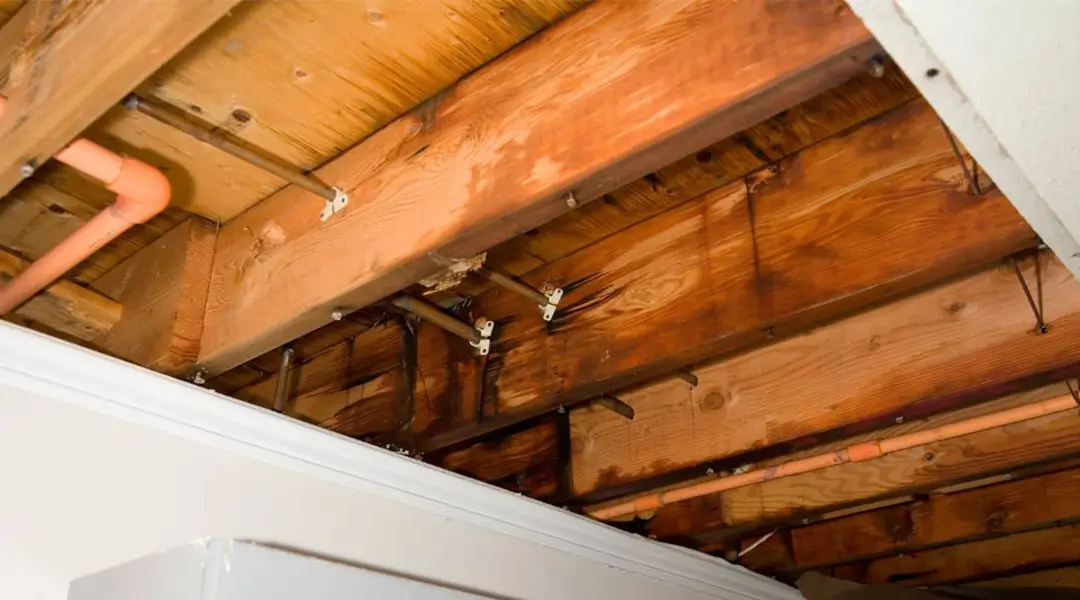
Regularly check your inside and outside of your home for spot leaks, mould, and cracks early on. Identifying these signs promptly can save you from more significant damage later.
Tips:
- Check for damp spots, mouldy smells, and discoloured patches on walls, ceilings, and floors.
- Inspect areas around sinks, toilets, showers, dishwashers, and washing machines for leaks.
- Replace any cracked seals around windows and doors to prevent water from seeping in.
5. Monitor Water Pressure
Changes in water pressure at home could indicate problems with your plumbing. High water pressure could strain your plumbing system and cause problems, including leaks, and a drop in water pressure could indicate problems in plumbing. Monitoring your water pressure ensures that it stays at a safe level.
Tips:
- Pay attention to your current water pressure and note down any change changes
- Consider installing a pressure reducing valve to your water meter. This automatically controls the main pressure to a lower, more safe pressure, safeguarding your home from potential water leaks and keeping your water bills down.
- Use a pressure measuring guage to test your main water pressure. If the pressure exceeds 500 kPa, seriously consider installing a pressure reducing valve to bring it down to a safer level.
If you notice a drop in pressure, check your home thoroughly for leaks, and call a plumber if it remains low so they can run a full maintenance check on your home’s plumbing system.
6. Watch Your Water Bill
An unusually high water bill can indicate a hidden leak. Monitoring your bill can help you catch leaks early and save on water costs.
Tips:
- Compare your water bills month-to-month for any unexpected increases.
- Investigate any significant changes in water usage immediately.
- Check for running toilets, dripping faucets, and other common sources of leaks.
By following these simple tips and making regular maintenance and inspections of your home taps and plumbing, you will be able to detect problems before they cause serious damage to your home. If you need professional help, don’t hesitate to contact Dynamic Tradies for reliable and expert service.